
Cannondale CAAD 8: The Timeless Aluminum Road Bike for Enthusiasts and Beginners Alike
If you’re in the market for a reliable, high-performance road bike that doesn’t break the bank, the Cannondale CAAD 8 stands out as a classic choice. Known for its lightweight aluminum frame and responsive handling, this model has been a favorite among cyclists for years. In this in-depth review, we’ll explore everything you need to know about the Cannondale CAAD 8, from its history and specifications to real-world performance and why it might be the perfect addition to your cycling arsenal. Whether you’re a seasoned rider looking for a budget-friendly upgrade or a newcomer eager to hit the pavement, the Cannondale CAAD 8 offers a blend of affordability, durability, and speed that’s hard to beat.
The History Behind the Cannondale CAAD Series
Cannondale has long been synonymous with innovation in the cycling world, and the CAAD (Cannondale Advanced Aluminum Design) line is a testament to that legacy. The CAAD series dates back to the late 1980s when Cannondale pioneered the use of oversized aluminum tubes for road bikes, revolutionizing the industry by offering frames that were lighter and stiffer than traditional steel options. The Cannondale CAAD 8, introduced in the early 2010s, represents an evolution in this lineup, building on the success of earlier models like the CAAD 10 and CAAD 9.
The CAAD 8 was designed as an entry-to-mid-level road bike, making high-end technology accessible to a broader audience. It incorporated lessons from Cannondale’s racing heritage, including tube shapes derived from the premium CAAD 10, which helped in reducing weight while maintaining strength. Over the years, the Cannondale CAAD 8 saw subtle updates, such as improved welding techniques and refined geometry, to enhance ride comfort and efficiency. Production of the CAAD 8 spanned several years, with models from 2010 to 2015 being particularly popular, often equipped with Shimano components for reliable shifting and braking. This historical context underscores why the Cannondale CAAD 8 remains a sought-after bike on the used market today, appealing to those who appreciate its blend of old-school craftsmanship and modern performance.
Key Specifications of the Cannondale CAAD 8
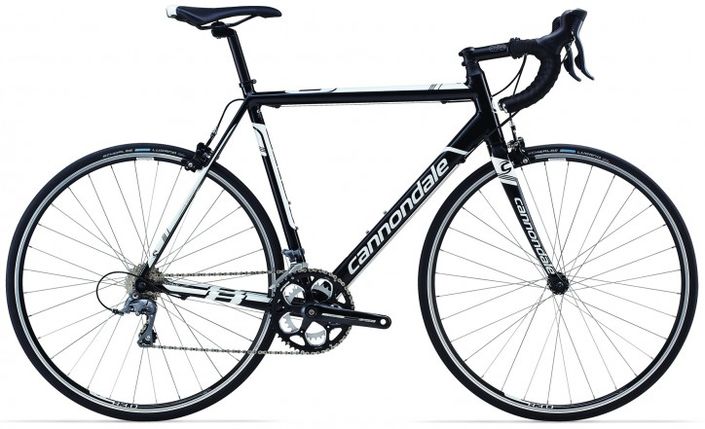
Diving into the specs, the Cannondale CAAD 8 boasts an optimized 6061-T6 alloy frame, which is both lightweight and robust. Weighing in around 9-10 kg depending on the build (for a 56cm frame), it’s not the lightest in its class but punches above its weight in terms of stiffness and responsiveness. The frame features SAVE technology, which stands for Synapse Active Vibration Elimination, helping to dampen road buzz for a smoother ride.
The fork is typically a full carbon design, like the Cannondale Ultra or Slice, providing precise steering and additional vibration absorption. Gearing options varied by year and trim level: entry-level models came with Shimano Sora or Claris groupsets, offering 8- or 9-speed setups, while higher-end versions featured Shimano Tiagra or 105 for 10- or 11-speed shifting. For instance, the 2015 Cannondale CAAD 8 Tiagra model included a FSA Omega Compact BB30 chainset paired with a 50/34 crank and 11-28 cassette, making it versatile for both flat roads and moderate climbs.
Brakes are usually Tektro R741 dual-pivot calipers, which provide solid stopping power, though some riders upgrade to better pads for enhanced performance in wet conditions. Wheels often consist of Maddux rims on Formula hubs, shod with Schwalbe Lugano tires in 700x23c or 700x25c sizes for a balance of speed and grip. The BB30 bottom bracket standard ensures efficient power transfer, and the overall geometry is described as “Heads-Up Race,” which is slightly more relaxed than aggressive race bikes, making the Cannondale CAAD 8 suitable for longer rides without sacrificing agility.
Here’s a quick spec breakdown for a typical 2014-2015 Cannondale CAAD 8 model:
- Frame Material: Optimized 6061-T6 Alloy with SAVE stays
- Fork: Cannondale Ultra Carbon, 1-1/8″ steerer
- Drivetrain: Shimano Tiagra 4600, 10-speed
- Crankset: FSA Omega, 50/34T
- Cassette: Shimano Tiagra, 12-30T
- Brakes: Tektro R580
- Wheels: Maddux RS 3.0 rims with Formula hubs
- Tires: Schwalbe Lugano, 700x25c
- Weight: Approximately 9.5 kg (medium size)
- Sizes Available: 48cm to 63cm
This setup makes the Cannondale CAAD 8 a versatile machine, ideal for everything from weekend group rides to commuting.
Design and Build Quality: What Sets the Cannondale CAAD 8 Apart
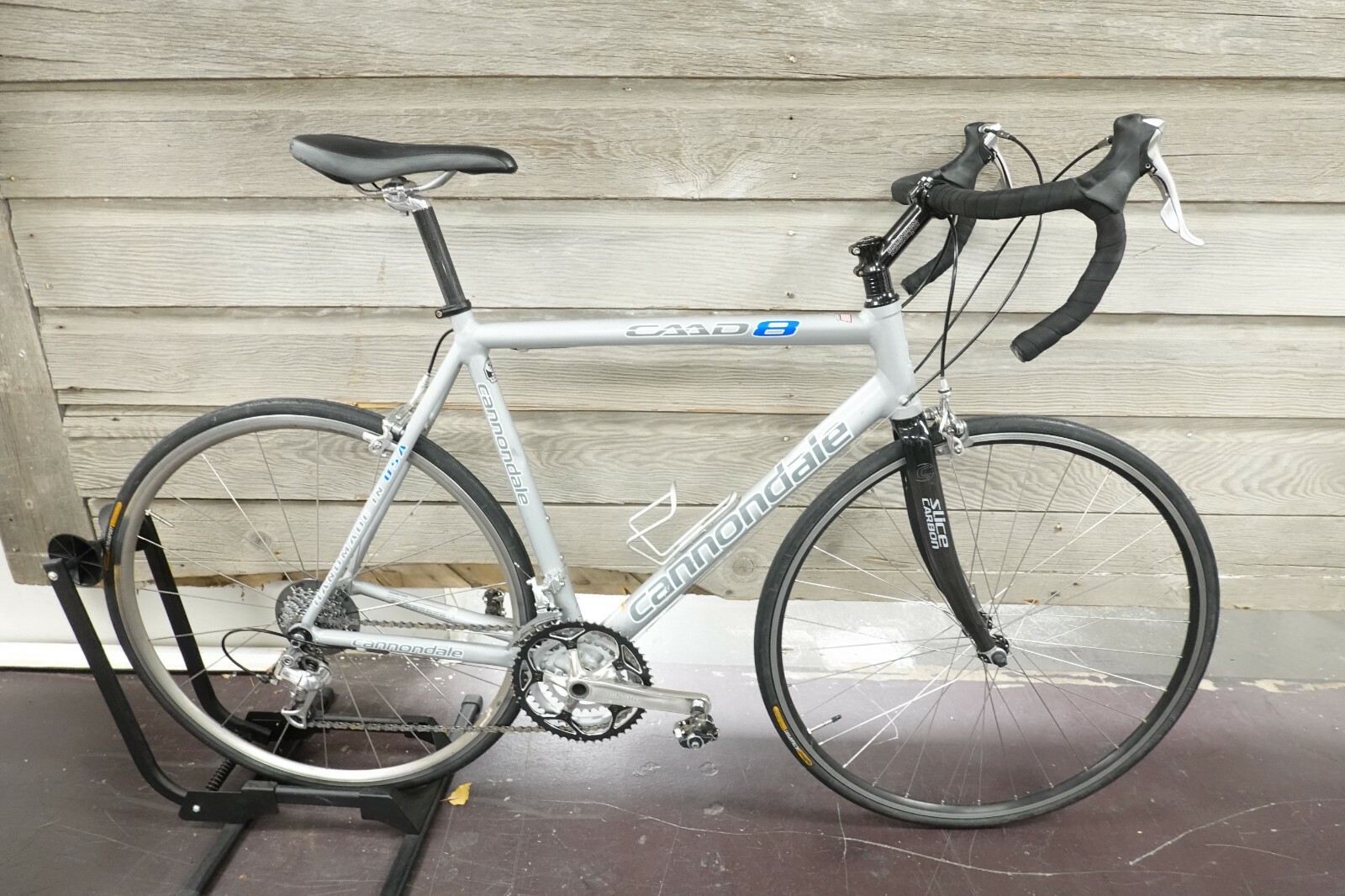
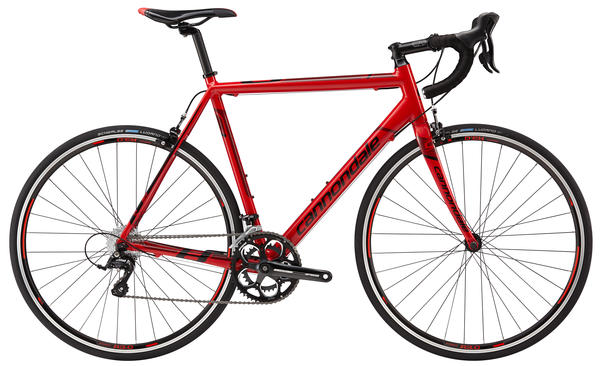
One of the standout features of the Cannondale CAAD 8 is its frame design. Cannondale’s expertise in aluminum fabrication shines through with hydroformed tubes that are shaped for optimal strength-to-weight ratio. The top tube often features subtle flames or sleek graphics, adding a touch of style without being overly flashy. The bike’s paint schemes, ranging from classic black and gray to vibrant white and blue, ensure it looks as good as it performs.
Build quality is top-notch, with smooth welds and attention to detail that rivals more expensive carbon frames. The integration of the carbon fork not only reduces weight but also improves aerodynamics slightly, thanks to its tapered design. Riders often praise the Cannondale CAAD 8 for its stability on descents and confidence-inspiring handling, attributed to the steeper head angle and shorter wheelbase compared to endurance bikes. However, it’s worth noting that earlier models (pre-2012) might have slightly different tube sets, making later versions like the 2015 model more refined in terms of ride compliance.
Performance on the Road: How the Cannondale CAAD 8 Rides
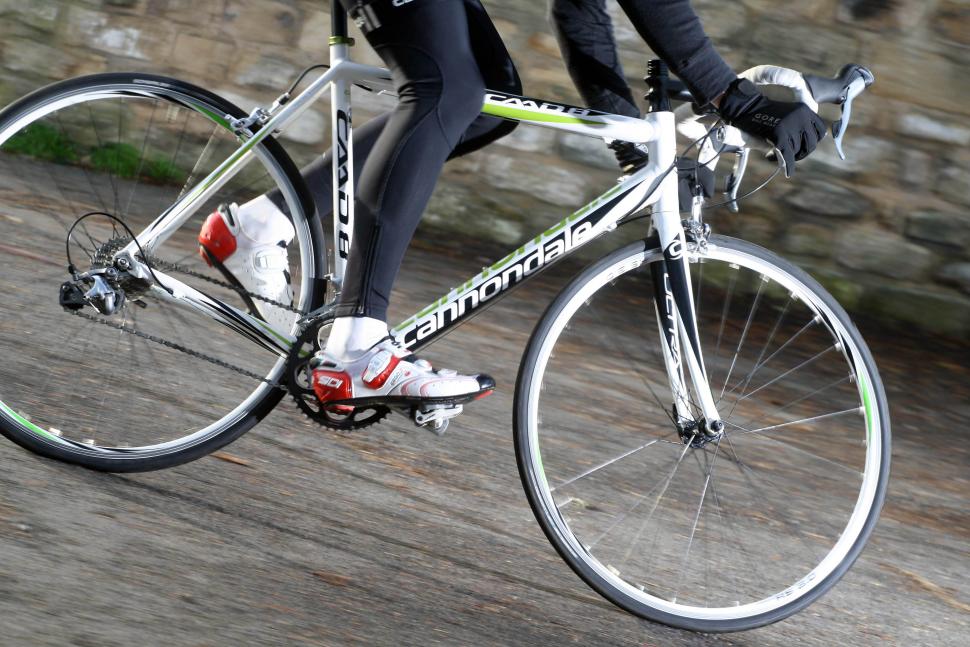
When it comes to actual riding, the Cannondale CAAD 8 excels in delivering a lively and engaging experience. Its aluminum frame provides excellent power transfer, meaning every pedal stroke feels efficient, especially during sprints or climbs. Reviewers often describe it as “fast and forgiving,” with the Heads-Up geometry allowing for a more upright position that reduces strain on the back and neck during long rides.
On smooth pavement, the bike glides effortlessly, and the carbon fork helps absorb minor imperfections. However, on rougher roads, you might feel more vibrations than on a full-carbon bike, though the SAVE technology mitigates this to a degree. Climbing is a strong suit for the Cannondale CAAD 8, thanks to its compact gearing and stiff bottom bracket – it’s not uncommon for riders to tackle hilly terrains with ease. Descending feels secure, with the bike tracking true through corners.
In terms of speed, it’s competitive for its price point. With upgrades like better wheels or tires, the Cannondale CAAD 8 can hold its own in amateur races or fast group rides. One user shared that it was their “first real road bike” and praised its stability and entry-level Shimano groupset for making the transition from hybrids seamless. Overall, it’s a bike that grows with you, suitable for beginners while offering enough performance for intermediate cyclists.
Pros and Cons of Owning a Cannondale CAAD 8
Like any bike, the Cannondale CAAD 8 has its strengths and weaknesses. Here’s a balanced look:
Pros:
- Affordability: Often available used for under $800, making it an excellent value.
- Durability: Aluminum frame withstands daily use and minor crashes better than carbon.
- Versatility: Great for commuting, training, and light touring.
- Upgradability: Easy to swap components for personalized performance.
- Lightweight for Alloy: Competitive weight that doesn’t feel sluggish.
Cons:
- Vibration Transmission: Can feel harsher on bumpy roads compared to carbon bikes.
- Outdated Components: Older models may have 8- or 9-speed groupsets, limiting modern compatibility.
- Weight: Heavier than high-end carbon alternatives, around 9-10 kg.
- Limited Sizes: Availability in certain frame sizes can be spotty on the secondary market.
- No Disc Brakes: Rim brakes only, which may not appeal to those preferring modern hydraulics.
Despite these drawbacks, the pros often outweigh the cons for budget-conscious riders.
Comparing the Cannondale CAAD 8 to Other Models
How does the Cannondale CAAD 8 stack up against its siblings and competitors? Compared to the CAAD 10, the CAAD 8 is more budget-oriented with a slightly heavier frame but similar geometry. The CAAD 10 offers a more aggressive fit, ideal for racing, while the CAAD 8 prioritizes comfort.
Against rivals like the Trek Emonda ALR or Specialized Allez, the Cannondale CAAD 8 holds its ground with superior aluminum welding and vibration damping. However, newer models from these brands might include disc brakes and 11-speed drivetrains as standard. If you’re eyeing a step up, the current CAAD 13 continues the legacy with modern updates, but the CAAD 8 remains a cost-effective entry point.
Who Should Buy the Cannondale CAAD 8?
The Cannondale CAAD 8 is perfect for aspiring road cyclists who want a bike that’s ready to ride without extensive modifications. It’s an ideal first road bike for those transitioning from mountain or hybrid bikes, offering stability and forgiveness. Commuters will appreciate its reliability, while weekend warriors can enjoy its speed on group rides. If you’re on a budget but crave quality, this model delivers.
For maintenance, stick to regular tune-ups: clean the chain, check brake pads, and true the wheels annually. Upgrades like clipless pedals or aero bars can enhance the experience further.
Final Thoughts on the Cannondale CAAD 8
In conclusion, the Cannondale CAAD 8 embodies the spirit of accessible high-performance cycling. With its storied history, solid specs, and enjoyable ride, it’s no wonder this bike has earned a loyal following. Whether you’re cruising city streets or conquering country roads, the Cannondale CAAD 8 proves that aluminum can still compete in a carbon-dominated world. If you’re ready to invest in a timeless ride, hunt for a well-maintained used model – you won’t be disappointed.

 German
  English