
Cannondale Bad Boy: Your Ultimate Guide to the Iconic Urban Hybrid Bike
In the bustling world of urban cycling, few bikes capture the essence of city riding quite like the Cannondale Bad Boy. This sleek machine blends aggressive style with practical performance, making it a favorite among commuters, fitness enthusiasts, and casual riders alike. Whether you’re dodging traffic on your daily commute or exploring city trails on the weekend, the Cannondale Bad Boy stands out as a versatile hybrid that’s built to handle the demands of modern urban life. In this comprehensive guide, we’ll dive deep into what makes this bike special, from its history and features to real-world performance and tips for potential buyers.
The Origins and Evolution of the Cannondale Bad Boy
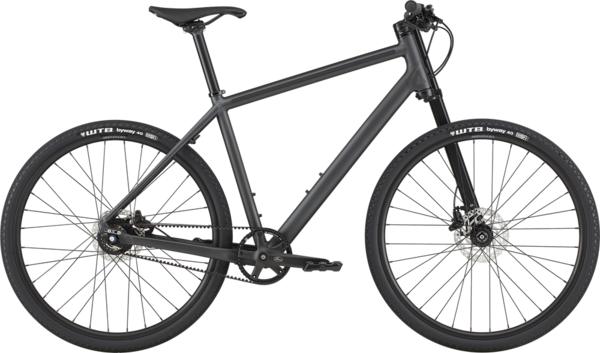
The story of the Cannondale Bad Boy begins at the tail end of the 20th century. Introduced in 1999, this bike was born from an innovative fusion of design elements that Cannondale had been experimenting with. It combined the company’s expertise in aluminum frames with urban-specific features, creating what many consider the ultimate city slayer. Over the years, the lineup has evolved, with models documented from 2001 onward showing refinements in components and aesthetics. By the early 2000s, the Cannondale Bad Boy had established itself as a staple in the hybrid category, known for its matte black finishes and no-nonsense attitude.
Fast forward to today, and the series continues to innovate. The 2023 models, for instance, maintain the core DNA while incorporating modern touches like integrated lighting and advanced drivetrains. Cannondale’s commitment to quality is evident in how the bike has adapted to changing urban needs, from smoother commutes to enhanced visibility in low-light conditions. This evolution reflects broader trends in cycling, where bikes are no longer just transportation but extensions of personal style and functionality.
What sets the Cannondale Bad Boy apart historically is its Lefty fork—a single-sided suspension system that originated from Cannondale’s mountain bike innovations. Originally designed to reduce weight and improve handling, it became a signature feature, giving the bike its distinctive asymmetrical look. Riders from the early 2000s models to the latest iterations praise this for its stiffness and precision, making it ideal for navigating pothole-riddled streets.
Key Features That Define the Cannondale Bad Boy
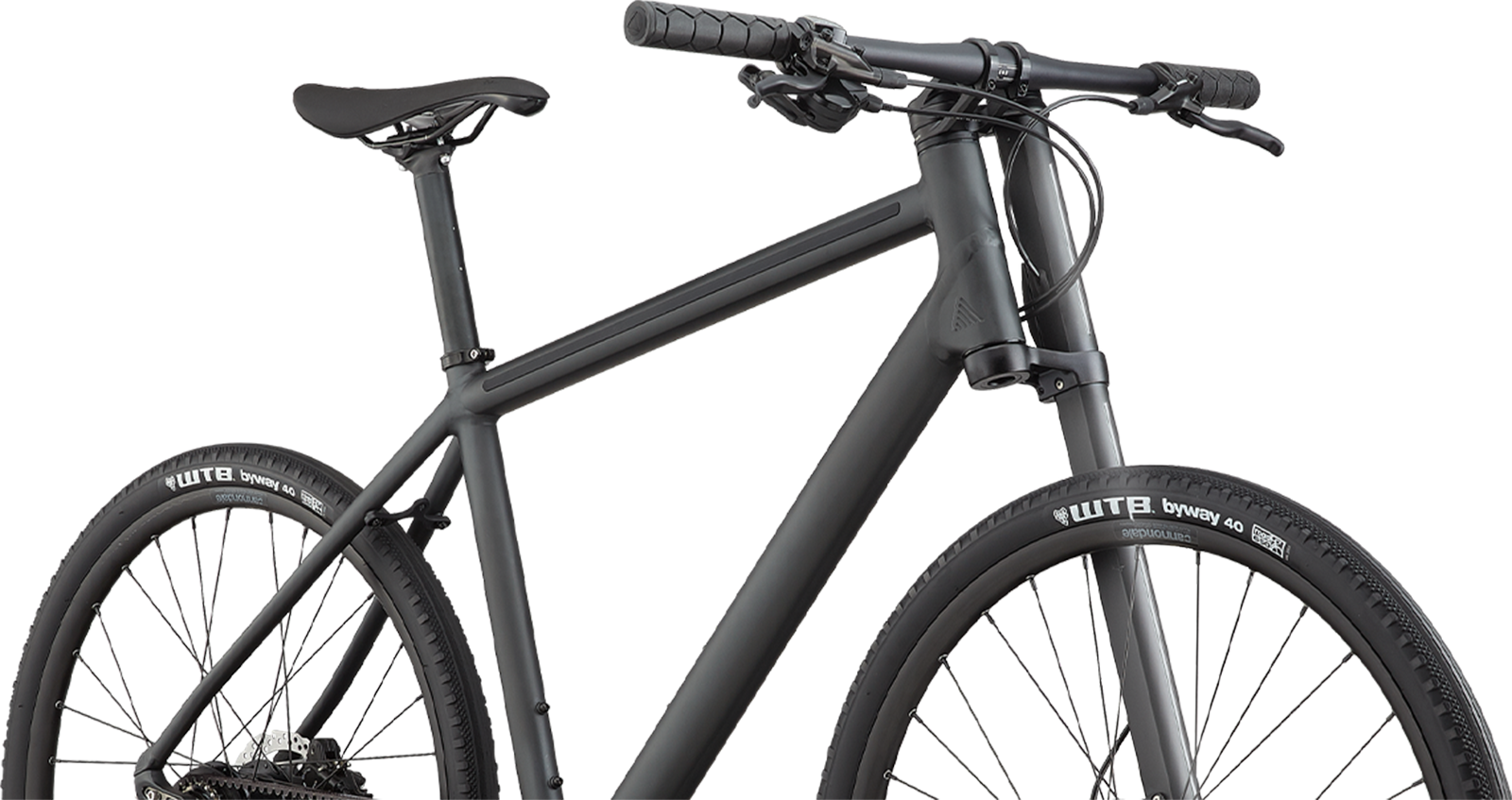
At the heart of the Cannondale Bad Boy is its SmartForm alloy frame, which offers a perfect balance of lightweight construction and durability. For example, the Bad Boy 1 model uses SmartForm C1 Alloy with an integrated Urban Armor bumper for added protection against city scrapes. This frame is paired with the iconic Lefty LightPipe fork, which not only provides rigid, precise handling but also integrates a SuperNova LED light strip for better visibility during evening rides.
Tires play a crucial role in the bike’s urban prowess. Most models roll on 650b wheels with wide, grippy tires like the WTB Byway 40c, offering excellent traction on varied surfaces—from smooth asphalt to light gravel paths. These tires ensure fast rolling speeds while absorbing bumps, making long rides more comfortable without sacrificing agility.
Drivetrain options vary by model. The premium Bad Boy 1 features a Shimano Alfine 8-speed internal gear hub with a Gates belt drive, which is low-maintenance and quiet—perfect for city stop-and-go traffic. Lower-tier models like the Bad Boy 3 might use more basic components, but they still deliver reliable shifting. Braking is handled by hydraulic discs across the range, such as Shimano MT400 on higher-end versions, providing confident stopping power in wet or dry conditions.
One standout feature is the integrated lighting system. The fork’s built-in LED and the seatpost’s LightSkin rear light (USB rechargeable) enhance safety without cluttering the bike’s clean lines. This thoughtful integration makes the Cannondale Bad Boy a top choice for commuters who ride at dawn or dusk.
Exploring the Different Models and Specifications
The Cannondale Bad Boy lineup typically includes several models to suit various budgets and needs. The flagship Bad Boy 1 is the most feature-packed, with its alloy frame, Lefty fork, and belt drive system. It weighs around 12-13kg depending on size, making it nimble for urban maneuvers. Specifications include a 46T Gates crank, 22T rear cog, and 160mm disc rotors for reliable performance.
Moving to the Bad Boy 2, this mid-range option uses a SmartForm C2 alloy frame and a similar Lefty fork with integrated front LED. It opts for a 9-speed Microshift drivetrain with a SunRace 11-32 cassette, providing a wide gear range for hills and flats. Tires remain the WTB Byway 650b x 40c, and brakes are Tektro hydraulic discs. Priced around £1,250, it’s a solid value for those wanting premium features without the top-end cost.
The entry-level Bad Boy 3, from older lineups like 2019, features modest components such as Promax mechanical disc brakes and an aluminum frame, retailing for about $850. While it lacks some bells and whistles, it still embodies the series’ core strengths: agility and style.
Sizes range from XS to XL, with geometry favoring an upright posture—head angles around 70 degrees and seat angles at 73.5 degrees for comfortable, confident riding. Wheelbases vary from about 1,036mm to 1,133mm, ensuring stability without feeling sluggish.
Performance on the Road: What Riders Experience
Riding the Cannondale Bad Boy feels like commanding a stealthy urban warrior. Its stiff Lefty fork delivers precise steering, allowing you to weave through traffic with ease. The wide tires provide ample grip, cornering sharply even on wet pavement, and they excel at smoothing out rough city roads or light off-road detours.
In reviews, the Bad Boy 2 scores high for comfort and toughness, with testers noting its composure on varied terrain. The low gearing makes climbing urban inclines effortless, while the lightweight frame aids in quick acceleration. Braking is a highlight—hydraulic systems stop on a dime, instilling confidence in busy environments.
However, it’s not all perfect. Some users mention the seatpost battery requires removal for charging, which can be inconvenient. Overall, the ride is engaging and fun, blending hybrid efficiency with a touch of road bike speed.
Pros and Cons: Weighing the Good and the Bad
Like any bike, the Cannondale Bad Boy has its strengths and weaknesses. On the positive side, its integrated lights and durable build make it exceptionally safe and reliable for city use. The aggressive styling turns heads, and the performance-oriented components ensure it’s more than just looks—it’s a capable performer.
Pros also include versatility: It’s great for commuting, fitness rides, or even light touring with rack fittings. The belt drive on higher models reduces maintenance, appealing to those who hate greasy chains.
Cons? The unique Lefty fork might require specialized servicing, and the price can be steep for entry-level riders. Some find it more style-focused than pure performance, though this doesn’t detract from its urban excellence.
How the Cannondale Bad Boy Stacks Up Against Competitors
Compared to bikes like the Trek FX or Specialized Sirrus, the Cannondale Bad Boy shines in aesthetics and innovation. While the Trek offers similar hybrid versatility, it lacks the Bad Boy’s signature Lefty fork and integrated lights. The Sirrus might edge out in weight, but the Bad Boy’s tire setup provides better all-terrain capability.
For urban-specific rivals, the Giant Escape is more budget-friendly but doesn’t match the premium feel. Overall, if style and unique features matter, the Cannondale Bad Boy leads the pack.

Real User Reviews and Testimonials
User feedback echoes the bike’s strengths. On forums, riders praise its durability and fun factor, with one noting it’s “recognizable and custom-friendly.” A Reddit user considering a used model highlighted its value retention, even for older versions.
Professional reviews, like BikeRadar’s 3.5-star rating for the Bad Boy 2, commend its comfort and braking while suggesting improvements in battery design. Overall, satisfaction is high among urban cyclists.
Maintenance and Care Tips for Longevity
To keep your Cannondale Bad Boy in top shape, regular checks are key. Clean the belt drive monthly, inspect the LED lights for charge, and service the Lefty fork annually at a certified shop. Tire pressure should be maintained at 40-60 PSI for optimal grip. With proper care, this bike can last years of daily use.
Why the Cannondale Bad Boy Might Be Your Next Ride
In conclusion, the Cannondale Bad Boy embodies the spirit of urban cycling—stylish, capable, and ready for anything the city throws at it. Whether you’re a seasoned rider or new to hybrids, its blend of features and performance makes it a worthwhile investment. If you’re in the market for a bike that turns heads while delivering reliable rides, look no further.
 German
  English