
Exploring the World of Cannondale Bicycles: Your Ultimate Guide to Performance and Innovation
In the ever-evolving landscape of cycling, Cannondale bicycles stand out as a beacon of innovation, quality, and rider-centric design. Whether you’re a seasoned road warrior, a trail enthusiast, or someone dipping their toes into urban commuting, Cannondale bicycles offer something for every type of rider. This comprehensive guide dives deep into the history, models, features, and benefits of Cannondale bicycles, helping you understand why this brand has captured the hearts of cyclists worldwide.
The Rich History Behind Cannondale Bicycles
Cannondale bicycles have a fascinating origin story that traces back to 1971, when the company was founded by Joe Montgomery and Murdock MacGregor in Wilton, Connecticut. Initially, the business focused on precast concrete housing, but after some unsuccessful ventures into ammonia-powered engines and air conditioners, a pivotal moment came during a family camping trip. Montgomery, inspired by the need for better outdoor gear, developed the “Bugger” bicycle trailer, featuring an innovative under-seat hitch designed by Ron Davis and aesthetics by John Wistrand. This product catapulted the company into the cycling world, quickly making it the largest producer of lightweight bicycle bags.
By the mid-1970s, Cannondale expanded into backpacks and tents, but the real breakthrough came with the hiring of Todd Patterson, who pioneered jigging and welding techniques for aluminum bicycle frames. This marked the official entry of Cannondale bicycles into manufacturing. The brand’s name itself is derived from the nearby Cannondale Metro-North train station, adding a touch of local flavor to its identity.
The 1980s and 1990s were eras of rapid growth and innovation for Cannondale bicycles. In 1984, they released their first mountain bike, the SM-500, which featured a unique 26-inch front wheel and 24-inch rear wheel for enhanced traction, along with a TIG-welded 6061 aluminum frame. This model retailed for $595 and set the stage for future advancements. Cannondale went public in 1995 with a $22 million IPO, but the late 1990s brought challenges, including ventures into motorsports that led to financial losses. The company filed for bankruptcy in 2003, only to be acquired by Pegasus Capital Advisors, who refocused efforts on bicycles.
In 2008, Dorel Industries purchased Cannondale for about $200 million, shifting production to Taiwan by 2009. The U.S. assembly facility in Bedford, Pennsylvania, closed in 2015. More recently, in 2022, Dutch conglomerate Pon Holdings acquired Dorel Sports, making Cannondale bicycles part of a larger portfolio that includes other cycling giants. Today, with headquarters still in Wilton and engineering offices in Freiburg, Germany, Cannondale continues to produce frames in Taiwan and assemble bikes in various locations to meet global demand.
Throughout its history, Cannondale bicycles have been synonymous with pushing boundaries. From pioneering aluminum and carbon fiber frames to avoiding traditional materials like steel or titanium, the brand has always prioritized performance and lightness.
Iconic Models of Cannondale Bicycles: From Road to Trail
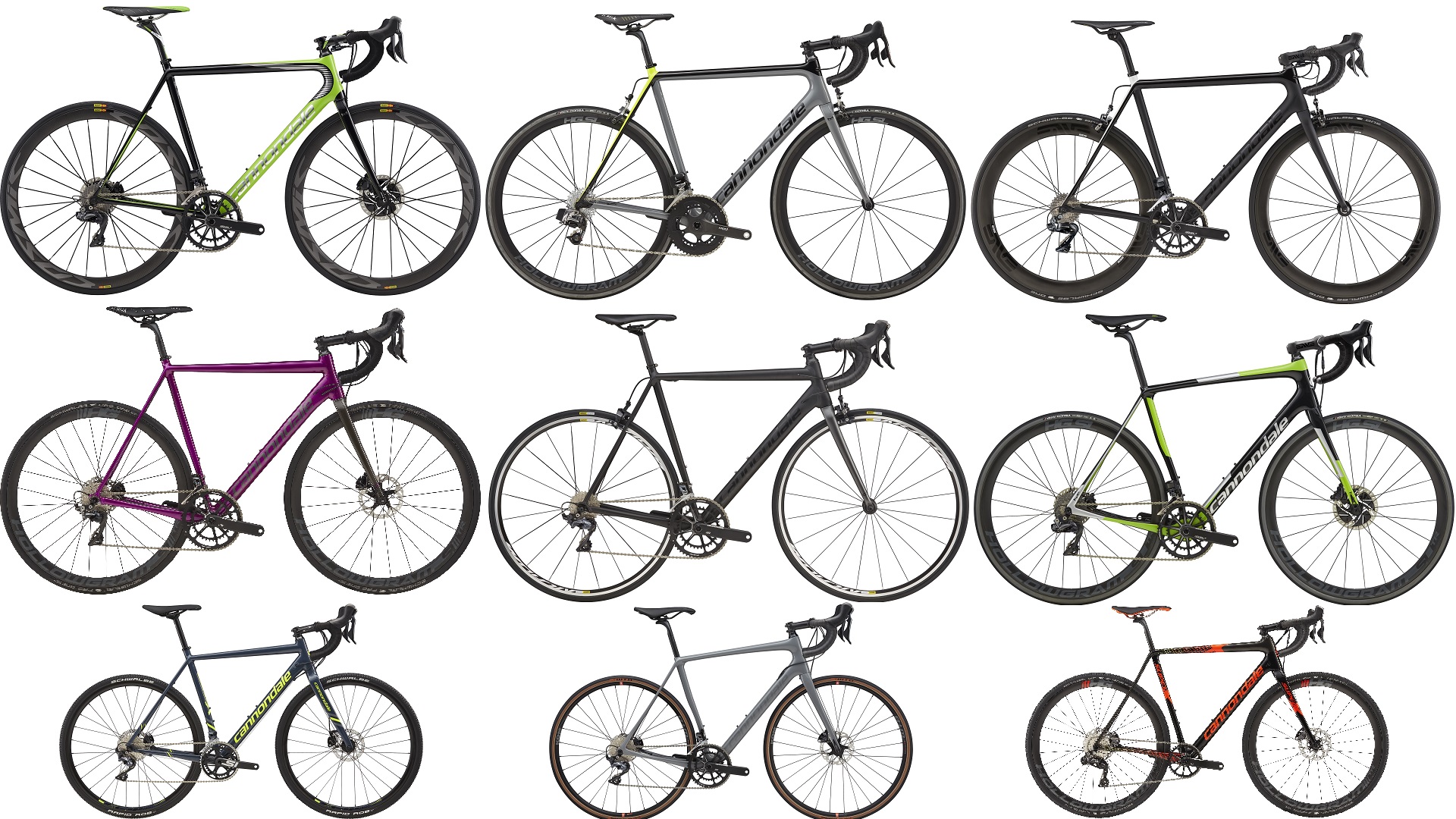
One of the hallmarks of Cannondale bicycles is their diverse lineup, catering to road, gravel, mountain, hybrid, electric, and even kids’ categories. Let’s explore some of the most popular models that have defined the brand.
Starting with road bikes, the SuperSix EVO is a standout. Evolving from a lightweight climber’s dream to an aerodynamic all-rounder, this model blends speed, comfort, and agility. It’s been a favorite in professional racing, with features like integrated cable routing and a carbon frame that shaves grams without sacrificing stiffness. Priced from around $3,000 to over $15,000 for top-tier versions like the SuperSix EVO LAB71, it’s designed for competitive riders seeking podium finishes.
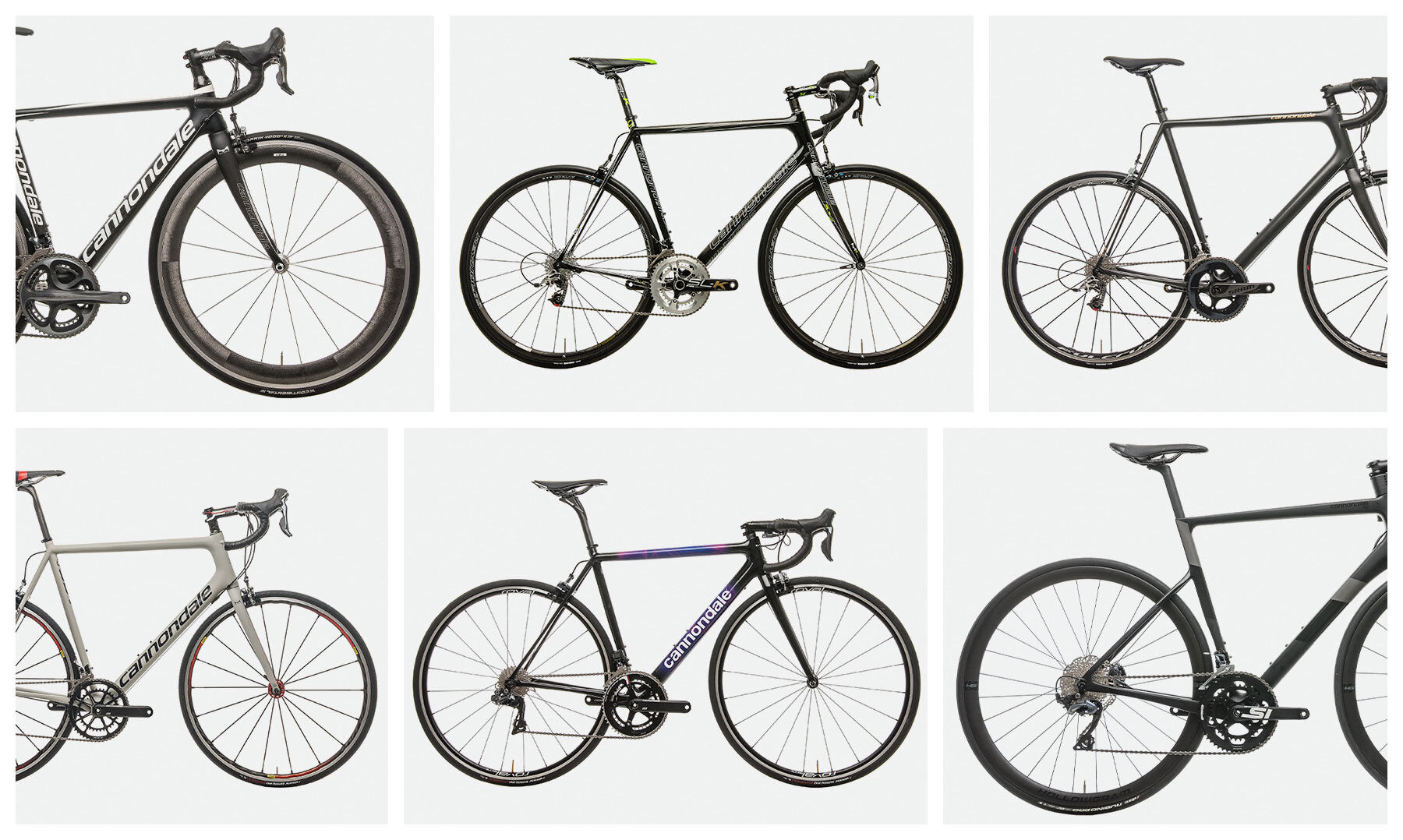
For endurance enthusiasts, the Synapse series shines. The Synapse Carbon, often hailed as the “Bike of the Year,” offers a smooth ride for long distances, with SmartSense technology integrating lights and radar for added safety. It’s versatile enough for gravel paths or paved roads, making it ideal for riders who want comfort without compromising performance. Models like the Synapse LAB71 come equipped with premium components, starting at $16,499.
Moving to gravel bikes, the Topstone lineup is perfect for adventure seekers. These Cannondale bicycles feature robust frames that handle mixed terrain, with ample tire clearance and mounts for bikepacking gear. The Topstone Carbon, for instance, uses Kingpin suspension in the rear for better compliance over rough surfaces, ensuring a fatigue-free experience on long rides.
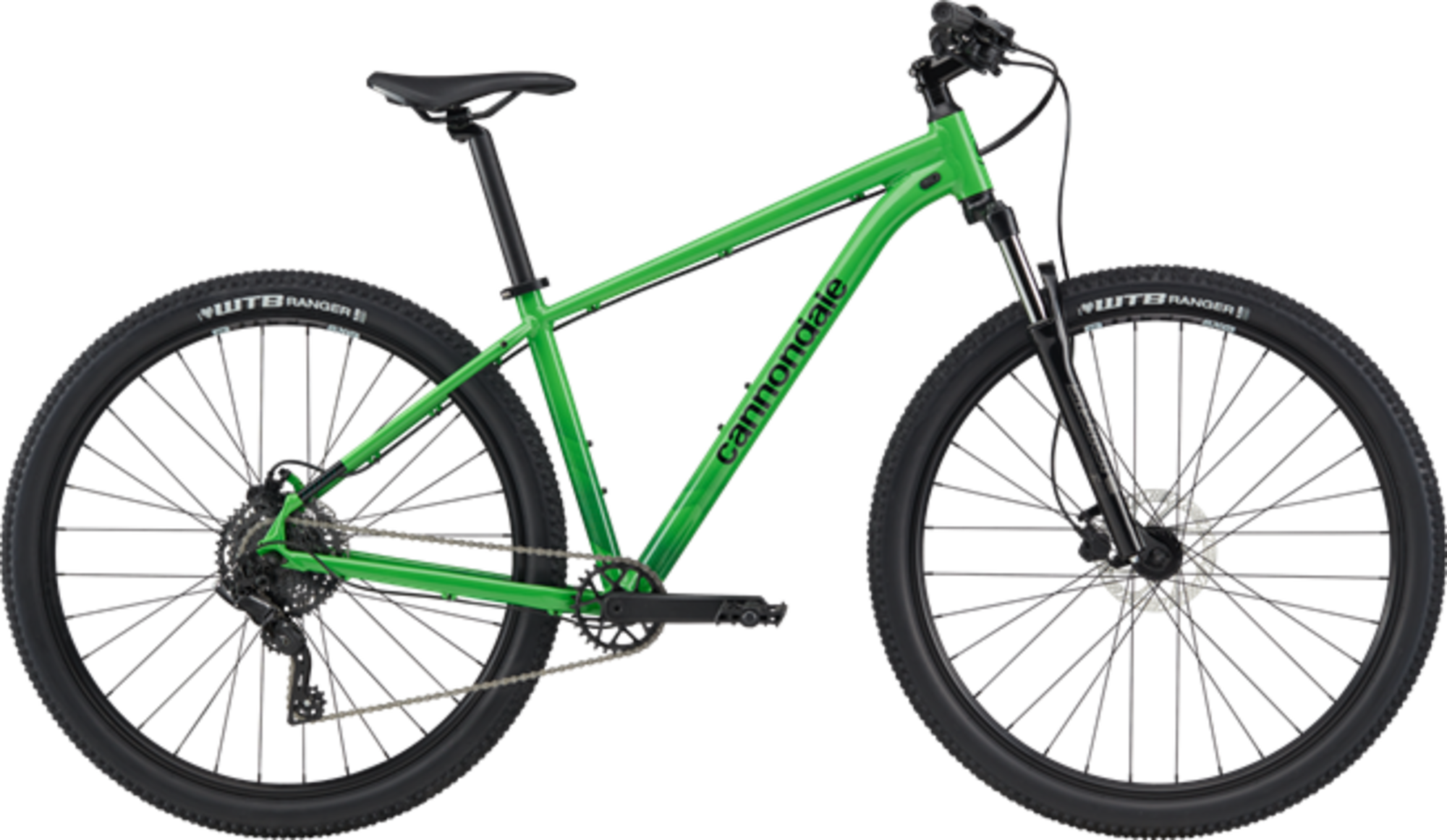
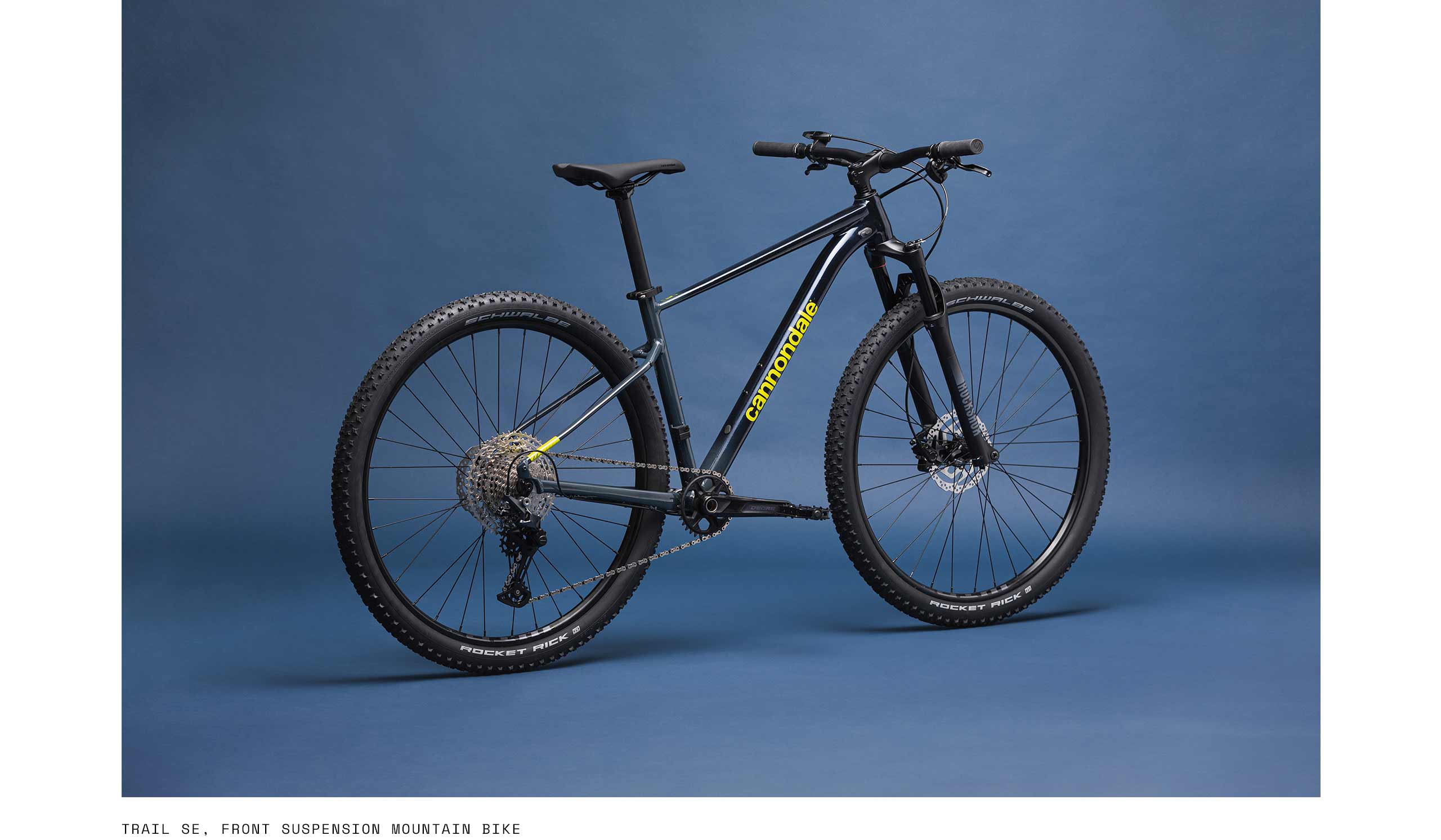
In the mountain bike realm, Cannondale bicycles have a storied legacy. The Habit is a trail bike that’s fun and capable, with 130mm of travel and a geometry that balances climbing efficiency and descending prowess. For cross-country racing, the Scalpel stands out—introduced in 2002, it features flexible carbon chain stays for traction and has evolved into models like the Scalpel LAB71 for elite performance. Hardtail options like the Trail series, such as the Trail 5 or Trail 7.1, are entry-level gems with aluminum frames, hydraulic disc brakes, and wide-range gearing, starting under $1,000.
Hybrid and urban Cannondale bicycles, like the Quick and Treadwell, prioritize everyday usability. The All-New Treadwell emphasizes ease with its upright geometry and integrated app connectivity for tracking rides. The Quick series blends road speed with commuter comfort, featuring lightweight frames and puncture-resistant tires.
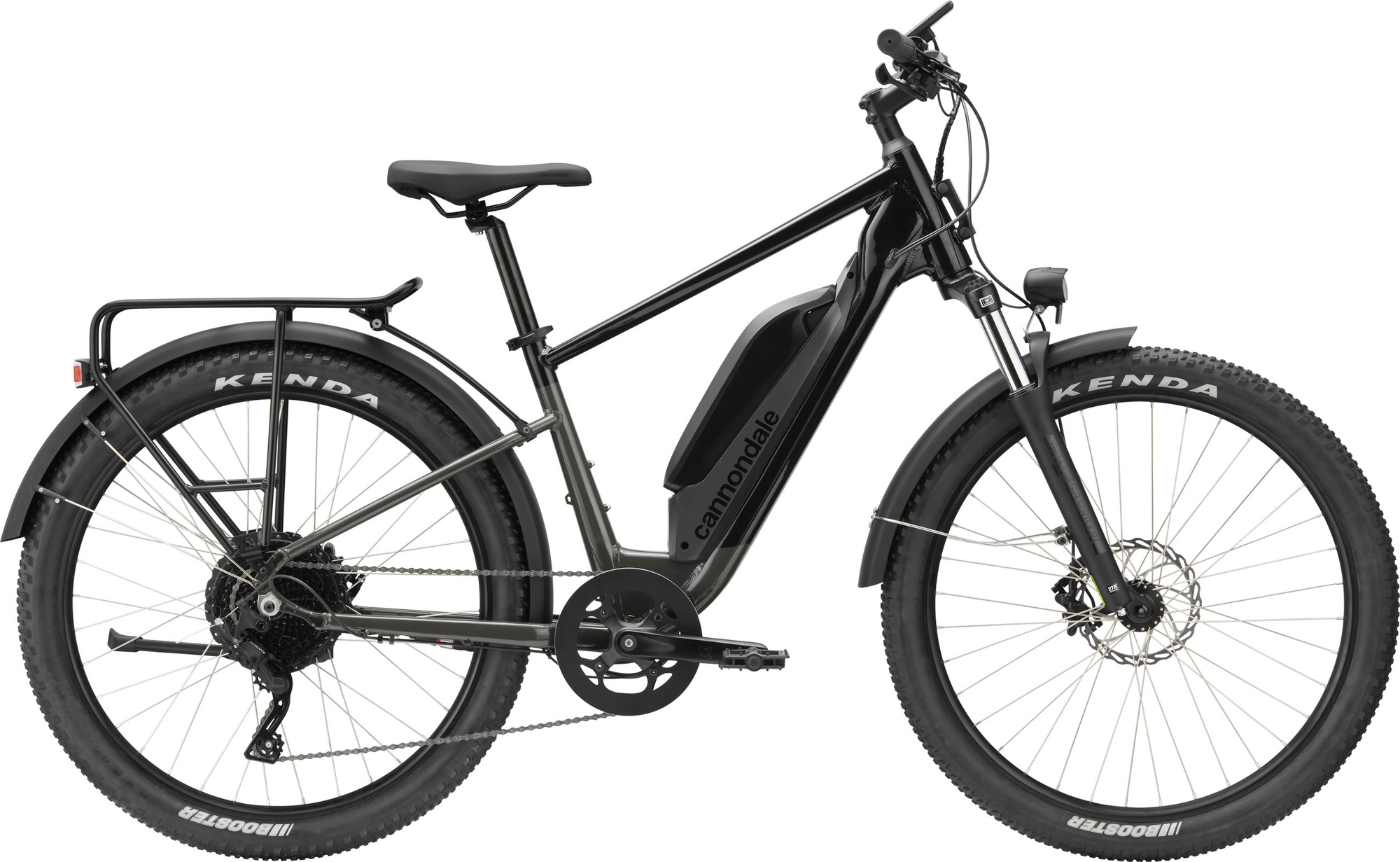
Electric bikes are where Cannondale bicycles truly innovate for modern riders. The Adventure Neo Allroad EQ, for example, combines a Bosch motor with up to 85Nm of torque, offering pedal-assist up to 28 mph. Features like Enviolo auto-shifting eliminate gear hassles, while the low step-through frame makes it accessible. Other e-models like the Moterra SL LAB71 provide full-suspension for e-mountain biking, with prices up to $14,000.
Kids’ bikes round out the offerings, with models like the Kids Trail ensuring young riders get durable, fun introductions to cycling.
Cutting-Edge Features and Innovations in Cannondale Bicycles
What sets Cannondale bicycles apart are their groundbreaking technologies. Since the 1990s, the CAAD (Cannondale Advanced Aluminum Design) series has redefined aluminum frames. The CAAD3 from 1997, for instance, used CAD and finite element analysis for a lightweight yet stiff structure. Carbon fiber integration came with the Six13 in 2004, combining carbon tubes with aluminum for optimal weight savings.
Suspension innovations include the Headshok fork from 1992, with its oversized headtube for better handling, and the Lefty single-sided fork, which reduces weight and improves steering precision. The BB30 bottom bracket standard, introduced in 2001 as Hollowgram, features a 30mm spindle for lighter cranks and increased stiffness—now an industry staple.
Modern Cannondale bicycles incorporate smart tech like the Cannondale App, which tracks rides, reminds you of maintenance, and even integrates with Garmin devices. For electric models, partnerships with Bosch and Toshiba provide reliable batteries, such as the SCiB lithium-ion for extended range.
Safety features abound, too. SmartSense on models like the Synapse includes rear radar to alert riders of approaching vehicles and automatic lights for visibility. Durability is ensured through rigorous testing, with frames backed by lifetime warranties on many models.
The Benefits of Choosing Cannondale Bicycles
Riding Cannondale bicycles isn’t just about getting from point A to B—it’s about enhancing your overall experience. For performance seekers, the lightweight frames and precise handling translate to faster times and less fatigue. Mountain bikers appreciate the suspension systems that absorb shocks, reducing injury risk on technical trails.
Commuters and casual riders benefit from the comfort-oriented designs, like ergonomic saddles and vibration-dampening tech. Electric Cannondale bicycles make hills effortless and extend your range, promoting eco-friendly transportation. Plus, the brand’s commitment to sustainability, through efficient manufacturing and recyclable materials, appeals to environmentally conscious cyclists.
User reviews often praise the reliability of Cannondale bicycles. On forums like Reddit, owners report minimal issues and high satisfaction, with bikes holding up well over years of use. Professional endorsements from teams like EF Education-EasyPost, who have won Giro d’Italia stages on Cannondale bikes, underscore their race-proven quality.
A Buyer’s Guide to Cannondale Bicycles
When selecting from Cannondale bicycles, consider your riding style. Road riders might start with the CAAD Optimo for affordability, while gravel adventurers opt for the Topstone. Budgets range from $500 for basic kids’ models to over $15,000 for pro-level builds.
Fit is crucial—use Cannondale’s online tools or visit a dealer for sizing. Accessories like helmets, lights, and the brand’s own gear enhance your setup. Availability is widespread, from official sites to retailers like REI and Mike’s Bikes.
Why Cannondale Bicycles Remain a Top Choice
In conclusion, Cannondale bicycles embody a perfect fusion of heritage, technology, and passion for cycling. From their humble beginnings in Connecticut to global dominance, they’ve consistently delivered bikes that inspire confidence and joy. Whether tackling a mountain trail, cruising city streets, or racing for glory, Cannondale bicycles are built to elevate your ride. If you’re ready to join the ranks of satisfied riders, explore their lineup today and discover the difference for yourself.
 German
  English