
Cannondale Jekyll: The Ultimate Enduro Mountain Bike for Adventurous Riders
If you’re an avid mountain biker searching for a ride that combines raw power, innovative design, and trail-conquering capability, the Cannondale Jekyll might just be your next obsession. This enduro beast from Cannondale has been turning heads in the cycling community for years, evolving into a machine that’s as comfortable blasting down rocky descents as it is pedaling up steep climbs. In this comprehensive guide, we’ll dive deep into what makes the Cannondale Jekyll a standout choice for serious riders, exploring its history, features, performance, and more. Whether you’re a seasoned pro or a weekend warrior looking to upgrade, stick around to discover why the Cannondale Jekyll deserves a spot in your garage.
A Brief History of the Cannondale Jekyll
The Cannondale Jekyll has a rich lineage that traces back to Cannondale’s commitment to pushing the boundaries of mountain bike technology. First introduced in the early 2000s, the Jekyll was designed as a versatile all-mountain bike, but it quickly gained a reputation for its enduro prowess. Over the years, Cannondale has refined the model, incorporating feedback from professional riders and advancements in suspension and frame materials.
In its latest iterations, the Cannondale Jekyll has embraced modern geometries and high-pivot suspension systems, making it more capable than ever on demanding terrain. The 2022 redesign, for instance, marked a significant leap forward, with the bike adopting a high-pivot idler setup that enhances rear-wheel traction and smooths out rough sections. This evolution reflects Cannondale’s philosophy of “System Integration,” where every component works in harmony to deliver an unparalleled riding experience. From its early aluminum frames to today’s carbon fiber masterpieces, the Cannondale Jekyll has consistently adapted to the demands of enduro racing and recreational shredding alike.
One of the key milestones in the Cannondale Jekyll‘s history was its adoption of 29-inch wheels across the lineup, which improved rollover capabilities and stability at high speeds. Riders who have followed the model’s progression often praise how Cannondale has balanced tradition with innovation, ensuring the bike remains relevant in a competitive market filled with options from brands like Specialized and Trek.
Design Innovations That Set the Cannondale Jekyll Apart
At the heart of the Cannondale Jekyll is its innovative frame design. Built primarily from BallisTec carbon fiber, the frame offers an excellent strength-to-weight ratio, making the bike lightweight yet durable enough to handle aggressive riding. The high-pivot suspension layout is a game-changer, providing 165mm of rear travel that’s plush and progressive. Paired with a 170mm fork up front, the Cannondale Jekyll absorbs big hits while maintaining composure on technical sections.
The suspension system utilizes Cannondale’s proprietary Ai (Asymmetric Integration) technology, which offsets the drivetrain for shorter chainstays and better tire clearance. This results in a nimble feel despite the bike’s long-travel credentials. Additionally, the Cannondale Jekyll features a flip-chip that allows riders to adjust the geometry, switching between a steeper head angle for climbing efficiency or a slacker one for downhill confidence. It’s these thoughtful details that make the Cannondale Jekyll adaptable to various riding styles and terrains.
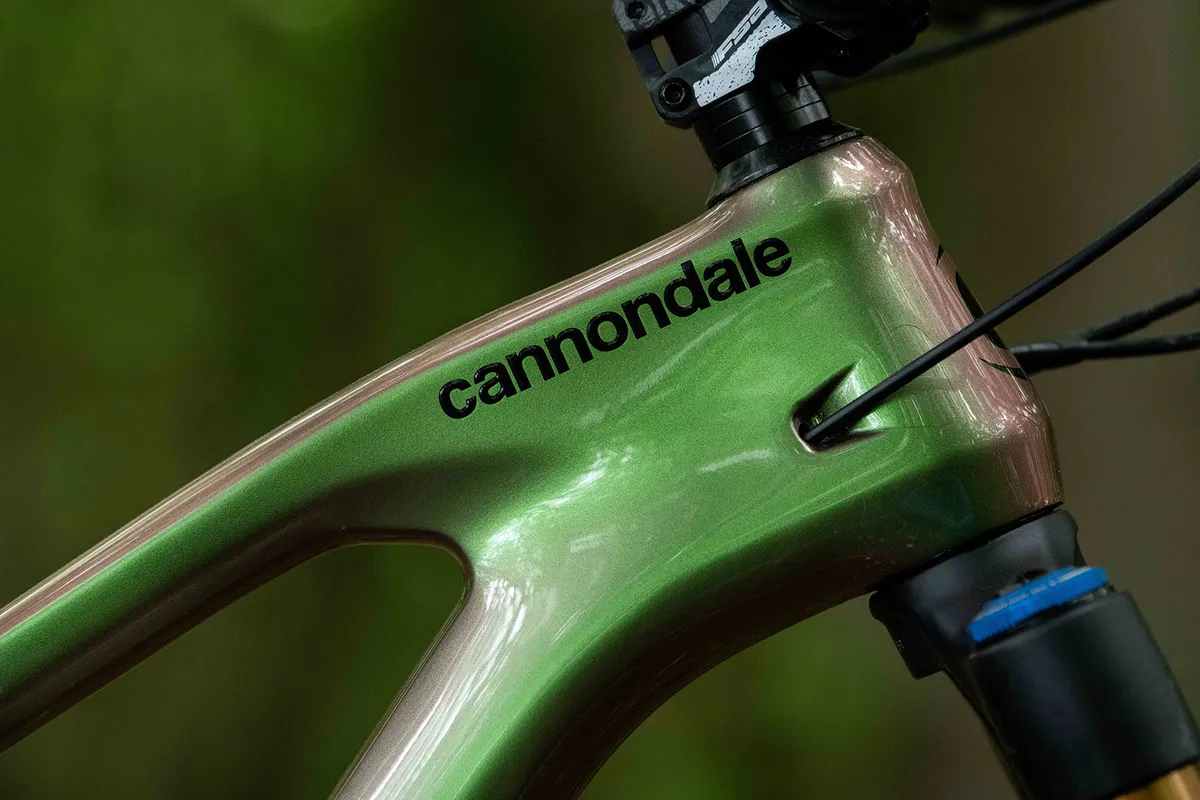
Visually, the Cannondale Jekyll stands out with its sleek lines and bold color schemes. The internal cable routing keeps things clean, while integrated downtube protection shields the frame from rock strikes. For those who geek out on tech, the bike’s kinematics are tuned for anti-squat characteristics that minimize pedal bob, ensuring your energy goes into propulsion rather than wasted motion.

Detailed Specifications of the Cannondale Jekyll Models
To truly appreciate the Cannondale Jekyll, let’s break down its specs. The lineup typically includes several models, from the entry-level Jekyll 2 to the premium Jekyll 1, each offering varying components to suit different budgets.
Here’s a quick overview in table form for easy comparison:
| Model | Frame Material | Rear Travel | Fork | Wheels | Drivetrain | Brakes | Approximate Price |
|---|---|---|---|---|---|---|---|
| Jekyll 1 | BallisTec Carbon | 165mm | RockShox ZEB Ultimate, 170mm | HollowGram Carbon 29″ | SRAM XO1 Eagle 12-speed | SRAM Code RSC, 220/200mm rotors | $6,500+ |
| Jekyll 2 | BallisTec Carbon | 165mm | Fox Float 38 Performance Elite, 170mm | WTB ST i29 TCS | Shimano XT 12-speed | Shimano MT520, 203/203mm rotors | $4,500+ |
| Jekyll Carbon/Alu Mix | SmartForm C1 Alloy (rear) | 165mm | RockShox Lyrik Select, 170mm | WTB STX i25 | SRAM NX Eagle 12-speed | SRAM Guide RE, 200/200mm rotors | $3,500+ |
These specs highlight the Cannondale Jekyll‘s focus on performance. The carbon models, like the Jekyll 1, come equipped with top-tier components such as SRAM’s wireless AXS shifting for precise gear changes under load. Tire choices often include Maxxis Assegai and Minion DHR II, providing excellent grip on loose or wet surfaces.
Geometry-wise, the Cannondale Jekyll boasts a 64-degree head tube angle in its low setting, a reach of around 470mm in medium size, and chainstays measuring 435mm. This setup promotes stability without sacrificing agility, making it ideal for enduro races where quick maneuvers are essential.

Performance Review: How the Cannondale Jekyll Handles on the Trail
When it comes to real-world performance, the Cannondale Jekyll shines brightest on descents. Reviewers consistently note its “plowability,” allowing it to charge through chunky rock gardens and rooty sections with ease. The high-pivot design keeps the rear wheel glued to the ground, providing traction that inspires confidence on steep, technical drops. One tester described it as having a “nice balance of plowability and maneuverability,” which sums up the bike’s dual personality perfectly.
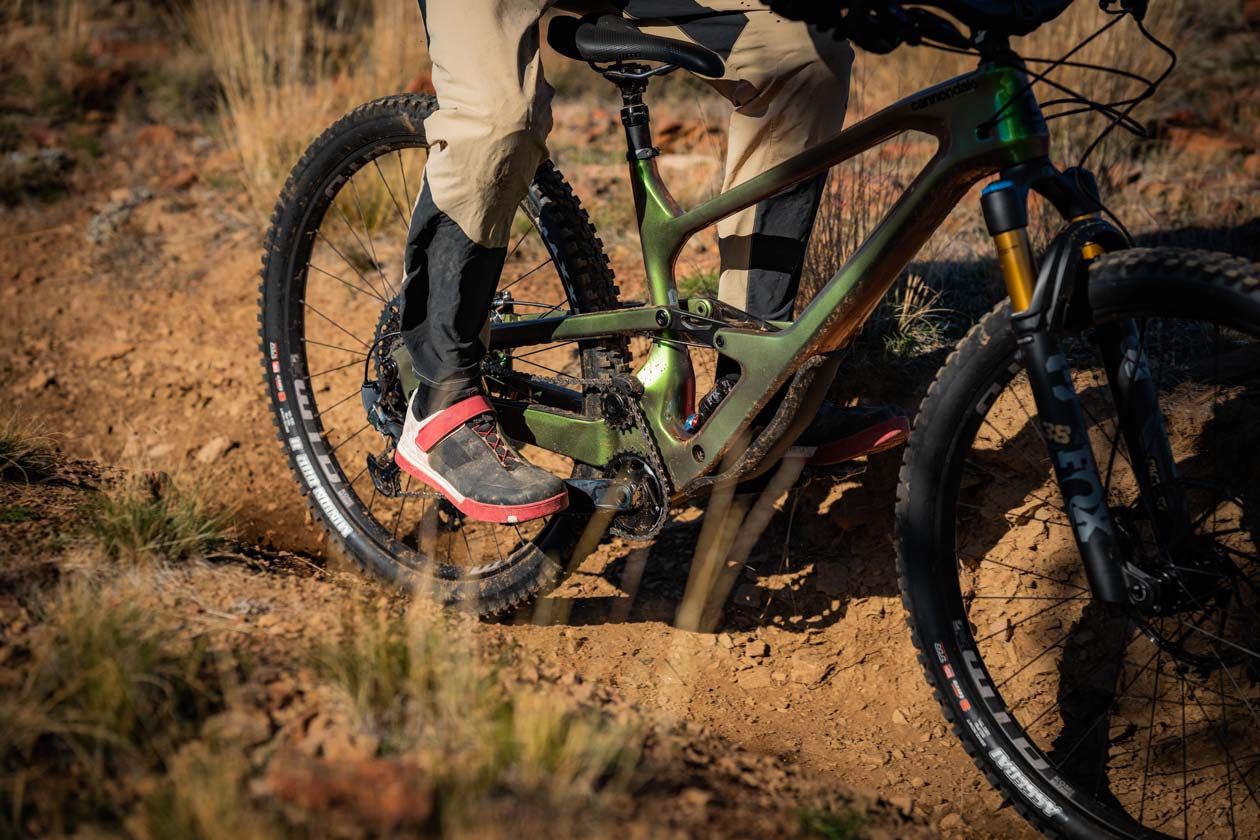
Climbing is another strong suit for the Cannondale Jekyll. Despite its enduro focus, the efficient suspension and lightweight build make uphill efforts manageable. With the shock in firm mode, pedal bob is minimal, and the bike feels more like a trail rig than a downhill monster. In mixed terrain, the Cannondale Jekyll transitions smoothly, popping off jumps and carving berms with precision.
Long-term reviews praise its durability—frames hold up well under abuse, and components like the HollowGram wheels resist dents. However, some riders mention a slight noise from the idler pulley, though this is often mitigated with proper maintenance. Overall, the Cannondale Jekyll earns high marks for being fast, predictable, and extremely capable, as echoed in various tests.

Pros and Cons of Owning a Cannondale Jekyll
Like any bike, the Cannondale Jekyll has its strengths and weaknesses. Here’s a balanced look:
Pros:
- Exceptional descending performance with plush suspension.
- Versatile geometry adjustments for different riding styles.
- High-quality build and components that offer great value.
- Lightweight carbon frame enhances climbing efficiency.
- Innovative features like Ai integration for better handling.
Cons:
- Higher price point for top models may deter budget-conscious buyers.
- The high-pivot system requires occasional idler maintenance.
- Some riders find the stock saddle uncomfortable for long rides.
- Limited color options in certain years.
These factors make the Cannondale Jekyll ideal for riders who prioritize enduro adventures over casual trail rides.
Comparing the Cannondale Jekyll to Competitors
How does the Cannondale Jekyll stack up against rivals? Compared to the Specialized Enduro, the Jekyll offers similar travel but with a more playful feel due to its shorter chainstays. Against the Trek Slash, the Cannondale Jekyll‘s high-pivot gives it an edge in traction, though the Slash might win in outright plushness.
In terms of value, the Cannondale Jekyll often undercuts premium competitors while matching their performance. For example, the Jekyll 1’s SRAM XO1 setup rivals the Yeti SB165’s build but at a potentially lower cost. If you’re cross-shopping, consider your local terrain—the Cannondale Jekyll excels in varied, technical trails.
Buying Guide: Tips for Purchasing Your Cannondale Jekyll
Ready to pull the trigger on a Cannondale Jekyll? Start by determining your size—Cannondale’s fit guide is spot-on, but a demo ride is invaluable. Check local dealers for availability, as popular models sell out quickly. Budget for accessories like pedals, a dropper post upgrade if needed, and protective gear.
Warranty-wise, Cannondale offers a lifetime frame warranty for the original owner, adding peace of mind. Look for deals during off-season sales, and consider used options from reputable sources. Ultimately, the Cannondale Jekyll is an investment in fun—choose the model that aligns with your riding goals.
Why the Cannondale Jekyll Should Be Your Next Bike
In conclusion, the Cannondale Jekyll represents the pinnacle of enduro engineering, blending speed, stability, and versatility into a package that’s hard to beat. Whether you’re racing EWS stages or exploring local singletracks, this bike delivers thrills without compromise. With its innovative features and proven performance, the Cannondale Jekyll isn’t just a mountain bike—it’s a gateway to unforgettable adventures. If you’re in the market for an enduro rig that punches above its weight, give the Cannondale Jekyll a serious look. Happy trails!
 German
  English