
Cannondale Habit: The Ultimate Guide to This Versatile Trail Mountain Bike in 2025
If you’re in the market for a mountain bike that strikes the perfect balance between fun, versatility, and performance, the Cannondale Habit might just be your next ride. As one of Cannondale’s flagship trail bikes, the Cannondale Habit has earned a reputation for being an all-rounder that’s equally at home on technical descents, flowing singletracks, and even some light enduro duties. In this comprehensive guide, we’ll dive deep into what makes the Cannondale Habit stand out, from its innovative features and specs to real-world performance reviews. Whether you’re a beginner looking to upgrade or a seasoned rider seeking a reliable trail companion, this post will cover everything you need to know about the Cannondale Habit.
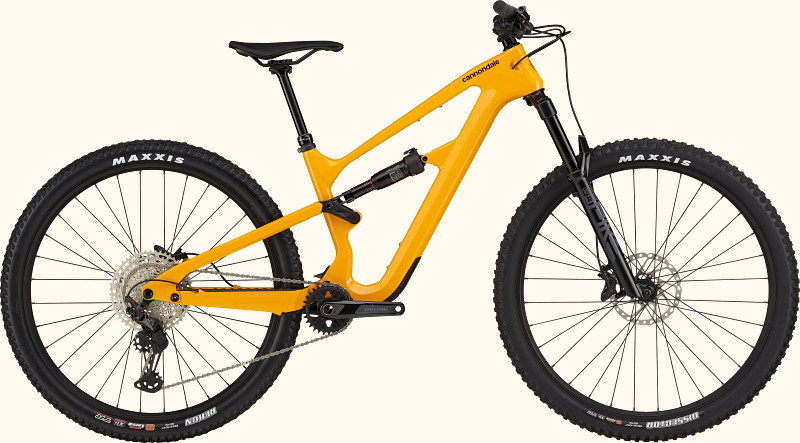
The Cannondale Habit series has evolved over the years, but the 2025 lineup takes it to new heights with refined geometry, advanced suspension tuning, and component choices that cater to a wide range of riders. With models available in both alloy and carbon frames, the Cannondale Habit offers options for different budgets without compromising on that signature Cannondale ride quality. Let’s explore why this bike continues to be a favorite among trail enthusiasts.
What Sets the Cannondale Habit Apart? Key Features Explained
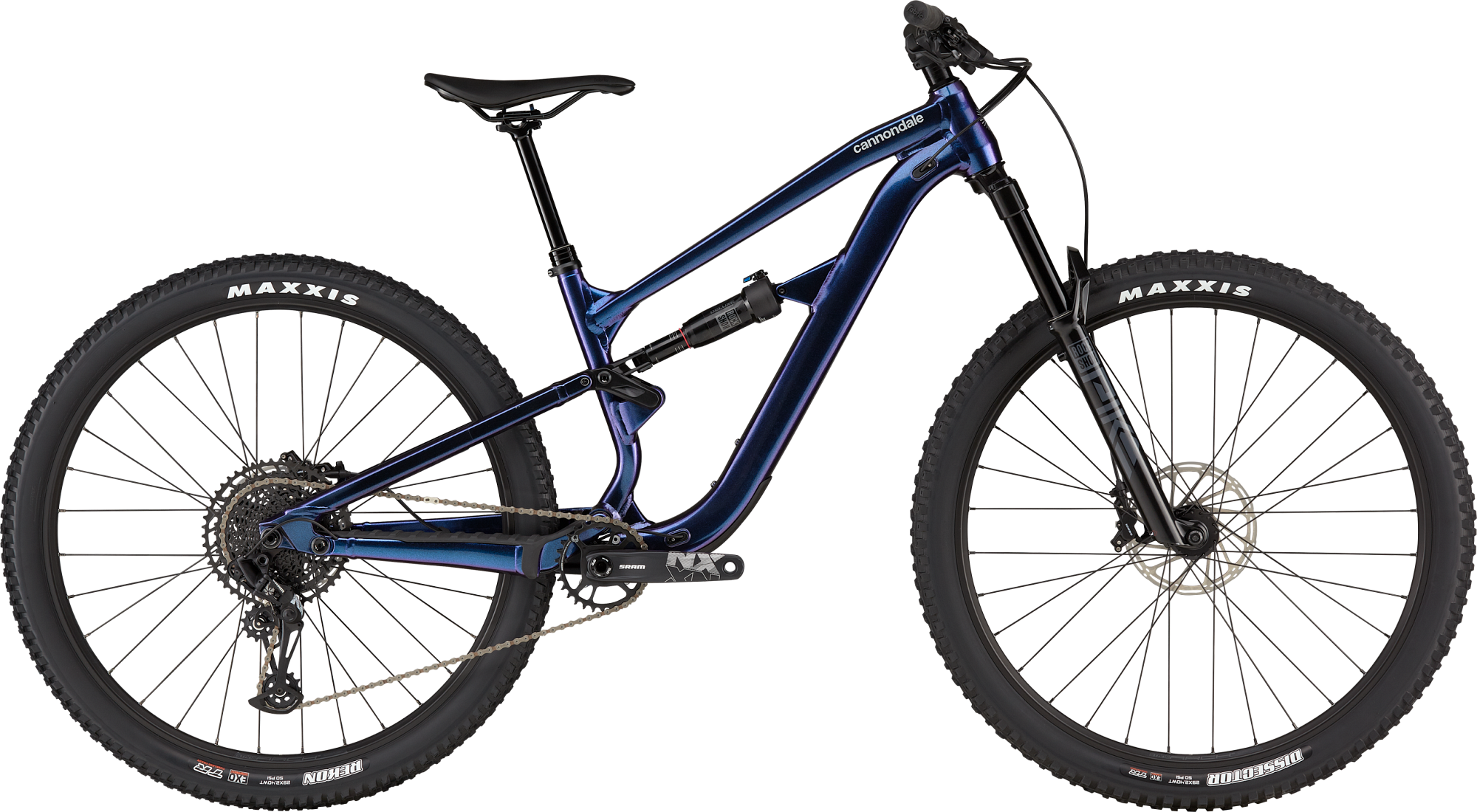
At the heart of the Cannondale Habit is its Proportional Response Design, a unique technology that tailors the suspension layout, geometry, and chainstay length to each frame size. This means that whether you’re riding a small or extra-large frame, the bike feels optimized for your body proportions, providing consistent handling and pedaling efficiency across the board. This innovation addresses a common issue in mountain bikes where one-size-fits-all geometry can leave smaller or larger riders feeling out of sync.
The Cannondale Habit typically features 130mm of rear travel paired with a 140mm fork, making it ideal for trail riding where you need enough plushness to absorb bumps without sacrificing climbing prowess. For those who crave more aggression, the Cannondale Habit LT variant bumps this up to 140mm rear and 150mm front travel, perfect for rougher terrain and bigger hits. Both versions utilize a 55mm chainline for improved tire clearance, allowing for tires up to 2.6 inches wide, which enhances grip on loose surfaces.
Other standout features include DirectLine internal cable routing for a clean look and reduced maintenance hassles, a BSA threaded bottom bracket for easy servicing, and a Universal Derailleur Hanger (UDH) that ensures compatibility with future components. The frame also incorporates ISCG05 mounts for chain guides, post-mount brakes, and a tapered headtube for precise steering. These details make the Cannondale Habit not just a bike, but a thoughtfully engineered machine built for longevity and ease of use.
In terms of suspension, Cannondale equips the Habit with high-quality RockShox components. For example, the Pike fork provides smooth, adjustable damping, while the Deluxe Select+ rear shock offers a 2-position mode adjust for switching between open and firm settings on the fly. This setup ensures the Cannondale Habit climbs efficiently while descending with confidence, absorbing roots, rocks, and drops without bottoming out harshly.
Breaking Down the Specs: Cannondale Habit Models for 2025
The 2025 Cannondale Habit lineup includes several models to suit various preferences and budgets. Here’s a detailed look at some popular ones, based on the latest specifications.
Cannondale Habit 3 (Alloy Frame)
This entry-level full-suspension model is built around a SmartForm C1 Alloy frame with 130mm of travel. It features a RockShox Pike fork with 140mm travel and a Deluxe Select+ rear shock. The drivetrain is SRAM NX Eagle 12-speed, offering a wide 10-50 cassette for tackling steep climbs. Braking comes from SRAM G2 R hydraulic discs with 180mm rotors, ensuring reliable stopping power.
Wheels are 29-inch (27.5-inch for XS sizes) Stan’s NoTubes Arch D rims, tubeless-ready, paired with Maxxis Dissector (front) and Rekon (rear) tires for excellent traction. Geometry highlights include a 65.5° head tube angle and 77.5° seat tube angle, promoting stability on descents and efficiency on ascents. The dropper post varies by size: 130mm for smaller frames and 150mm for larger ones.
Cannondale Habit Carbon 2
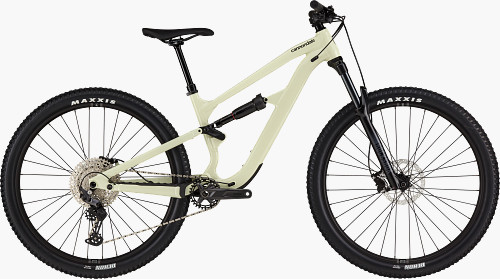
Stepping up to carbon, this model uses a full carbon frame for reduced weight and increased stiffness. It shares the 130mm/140mm travel setup but upgrades to a RockShox Pike Select fork and Shimano XT/SLX 12-speed drivetrain. Brakes are Shimano Deore 6120 4-piston with 180mm rotors, and wheels are Stan’s NoTubes Crest Arch MK4 rims with Maxxis tires.
Unique to this model is the inclusion of a StrapRack tool holder, adding practicality for long rides. Geometry remains size-specific, with the same angles as the Habit 3, but the carbon construction enhances responsiveness.
Cannondale Habit LT 2 (Alloy Frame)
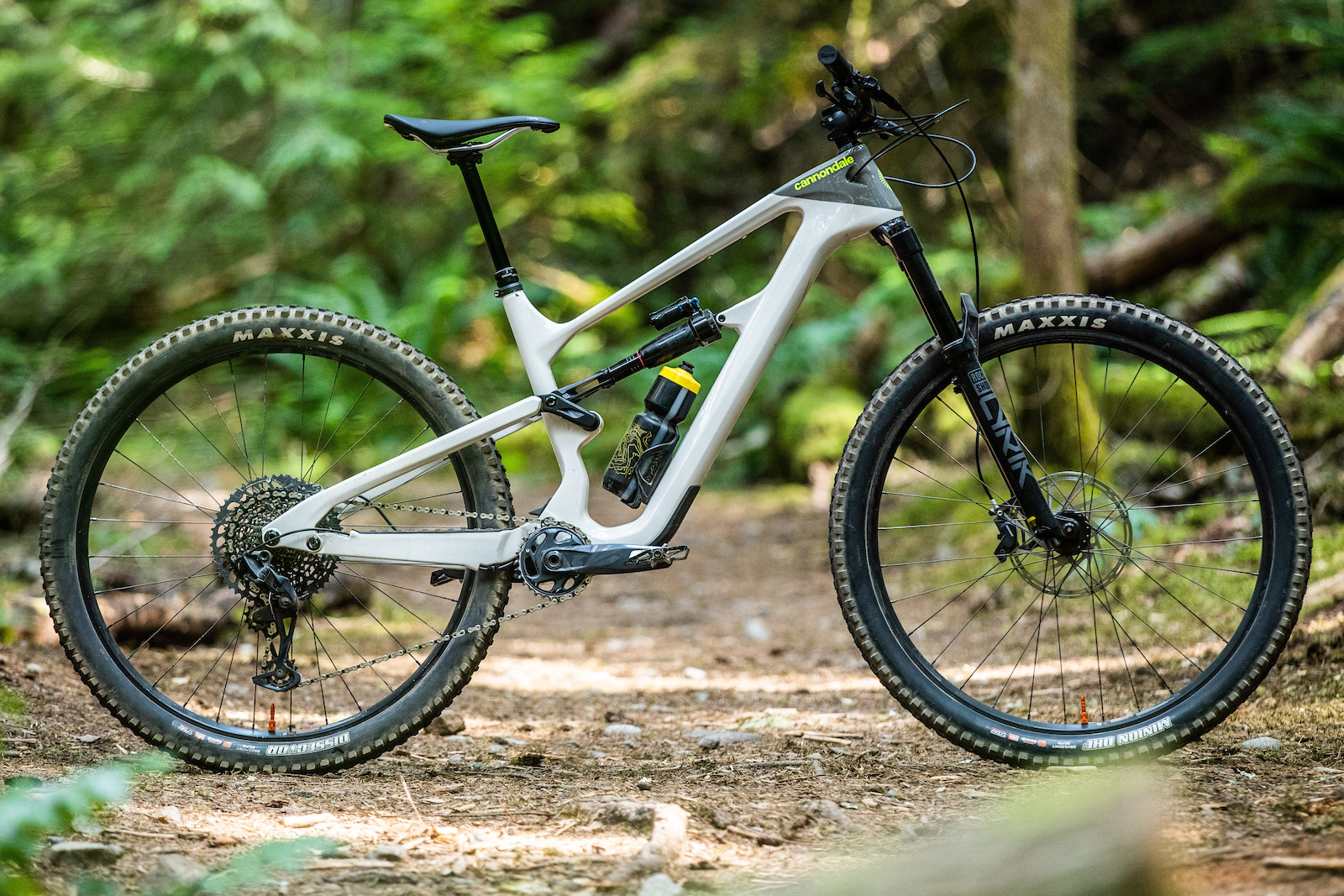
For more aggressive riding, the Cannondale Habit LT 2 offers 140mm rear and 150mm front travel via a RockShox Lyrik fork and Super Deluxe Select shock. The frame is SmartForm C1 Alloy, with a Shimano XT/SLX 12-speed setup and powerful Shimano Deore M6120 brakes with 203/180mm rotors.
Tires are beefier: Maxxis Minion DHF front (2.5″) and Dissector rear (2.4″), both with EXO+ protection for durability. Geometry is slacker at 64.7° head angle and 77° seat angle, making it more enduro-oriented while still pedal-friendly.
There’s also a hardtail variant, the Cannondale Habit HT, but for this guide, we’re focusing on the full-suspension models that define the Habit’s trail prowess.
Ride Experience and Performance Reviews of the Cannondale Habit
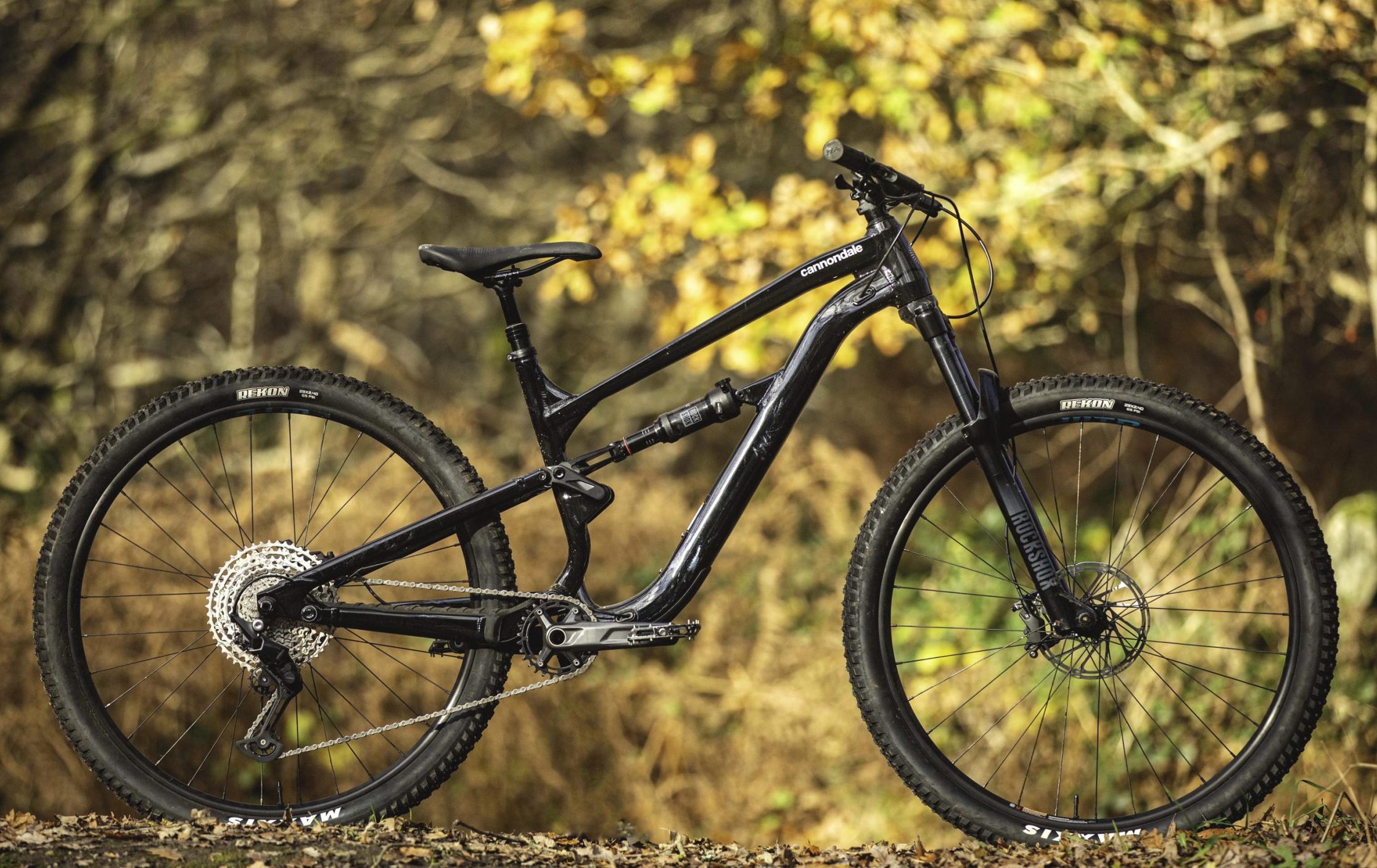
Riders consistently praise the Cannondale Habit for its balanced ride. In reviews, it’s described as a “do-it-all trail bike” that’s fun on mellow trails yet capable on technical sections. The suspension feels planted and stable, even when ripping down descents, thanks to the Flow Seeker geometry.
One tester noted that the Cannondale Habit excels in tight, twisty trails, offering an engaging ride without feeling overly aggressive. For the LT version, it’s lauded for handling gnarlier terrain while maintaining pedaling efficiency. However, some mention that the chainstays are slightly longer than average, which aids stability but might feel less playful for some.
In real-world use, the Cannondale Habit shines in mixed conditions—climbing well due to its steep seat angle and descending confidently with the slack head angle. Users report smooth shifting, powerful brakes, and minimal noise from the internal routing. Overall, it’s a bike that suits beginners to intermediates, with enough capability for advanced riders to push limits.
How Does the Cannondale Habit Compare to Competitors?
When stacking the Cannondale Habit against bikes like the Specialized Stumpjumper or Trek Fuel EX, it holds its own in versatility. The Habit’s Proportional Response gives it an edge in fit customization, something not as pronounced in competitors. Travel-wise, it’s similar to the Stumpjumper’s 130/140mm setup, but the Cannondale often comes in at a lower price point.
For example, the alloy Habit 4 is priced around $2,300, making it more accessible than comparable models from other brands. The carbon versions, like the Habit Carbon 1, offer premium performance at $4,000 (on sale), rivaling high-end options without the premium markup. If you prefer more travel, the Habit LT competes with enduro-lite bikes like the Giant Trance X.
Pricing, Availability, and Buying Tips for the Cannondale Habit
Pricing for the 2025 Cannondale Habit varies by model. The entry-level Habit 4 starts at about $2,300, while the Habit LT 2 is available for $2,799 on sale (original $3,625). Carbon models like the Habit Carbon 1 can be found for $4,000, down from $5,500. The hardtail Habit HT 2 is even more budget-friendly at $1,199.
To buy, check Cannondale’s official website or authorized dealers. Look for sales, especially in spring, where discounts can slash prices significantly. Consider your riding style: alloy for value, carbon for lightness, LT for aggression.
Maintenance and Upgrades for Your Cannondale Habit
Keeping your Cannondale Habit in top shape is straightforward thanks to its user-friendly design. Regularly clean the chain and drivetrain, check tire pressure for tubeless setups, and service the suspension every 50-100 hours of riding. The threaded BB and UDH make swaps easy—upgrade to a wireless dropper or wider tires if needed.
Common upgrades include better grips for comfort or a one-by drivetrain tweak for simplicity. With proper care, the Cannondale Habit can last years of adventures.
Why Choose the Cannondale Habit in 2025?
In conclusion, the Cannondale Habit is more than just a mountain bike—it’s a versatile partner for trail exploration. With its innovative features, balanced specs, and positive reviews, it appeals to a broad audience. If you’re ready to elevate your riding, the Cannondale Habit delivers fun, reliability, and value. Head to your local shop for a test ride and experience the difference yourself. Happy trails!
 English
  German